
Tantra
With the limitations of our knowledge, we gather resources which are also limited, and within the limitations of our time, we explore Antaḥkaraṇa and experience self-satisfaction in the present, though temporary, without the 6 enemies of the mind – greed, lust, delusion, pride, anger and jealousy, and share resources with the needy. Tapasya involves:
Para Brahman
ওঁ তৎ সৎ
- ‘Om’ is the formless Para Brahman - the primordial sound that pervades creation - the music - the communication between Vishnu Dev-Lakshmi Devi, Brahma Dev-Saraswati Devi and MahaDev-Parvati Devi.
- ‘Tat’ means everything including impure or pure or even in all other conditions belongs to Para Brahman.
- Everything present in yajna, tapasya and dana - Karmendriya, Gyanendriya and Antahkarana - are considered as ‘Sat’ - surrendered to Vishnu Dev-Lakshmi Devi, Brahma Dev-Saraswati Devi and MahaDev-Parvati Devi.
Prayer
বিষ্ণু দেব-লক্ষ্মী দেবী, ব্রহ্মা দেব-সরস্বতী দেবী, মহাদেব-পারবতি দেবী আমি কি গঙ্গা জল তোমাদের অর্পণ করতে পারি।
বিষ্ণু দেব-লক্ষ্মী দেবী, ব্রহ্মা দেব-সরস্বতী দেবী, মহাদেব-পারবতি দেবী ,ধন্যবাদ।
জীবন সম্পূর্ণ, লক্ষ – সকল পরিস্থিতিতে কর্মেন্দ্রিয়, জ্ঞানেন্দ্রিয় ও অন্তঃকরণ সুস্থ রাখা। সবাই নিজের মতো করে এগিয়ে চলেছে। সকলে প্রয়েজন অনুযায়ী পথ চয়ন করে – প্রয়োজন ফুরিয়ে গেলে, ভিন্ন প্রয়োজন চয়ন করে, এবং এগিয়ে চলে; অথবা, পথ ফুরিয়ে গেলে, ভিন্ন পথ চয়ন করে, এবং প্রয়োজন অনুযায়ী এগিয়ে চলে। সকলে পথ চলতে চলতে, সম্পদ সংগ্রহ করে, পথে এগিয়ে চলার অনুসন্ধান করে।
মানুষের মধ্যে রয়েছে দুটি উর্জা – স্ত্রীলিঙ্গ ও পুংলিঙ্গ। স্ত্রীলিঙ্গ উর্জা থাকে শিরদাঁড়ার শিকড়ে এবং পুলিং উর্যা থাকে তৃতীয় নয়নে; তৃতীয় নয়ন প্রবল থাকে পূর্ণিমায়। স্ত্রীলিঙ্গ উর্জা প্রভাবিত করে সম্পর্ক এবং আমাদের আবেগ বুজতে সাহায্য করে। পুংলিঙ্গ উর্জা প্রভাবিত করে উদেশ্য এবং আমাদের সিদ্ধান্ত নিতে সাহায্য করে। যখন আমরা আমাদের দুই উর্জা ভারসাম্য রাখতে সক্ষম হই, আমরা সৃষ্টি করি সম্প্রীতি। ব্রহ্মা সত্য, জগৎ অর্ধসত্য! তাই, যদি সম্পর্কের উপর লক্ষ্য স্থির থাকে, লক্ষ্যের বৈধতায় সম্পর্কের উপর নির্ভরশীল থাকে – যা মায়াময়। একজনের অহং অথবা জীবনের উদ্দেশ্য অথবা লক্ষ্য পূরণে আরেকজনের কর্তব থেকে নিজেকে মুক্ত রাখা এবং অন্যকে মুক্ত রাখা -এর মধ্যে রয়েছে সুস্থতা। যে নিজের চিন্তন ও কর্ম সচেতনতার সঙ্গে নিয়ন্ত্রণ করে, এবং পরিণতি কে গ্রহণ করে, সে-ই চৈতন্য।
তবে, স্থান-কাল-পাত্র উভয় উর্জার উপর গভীর ভাবে প্রভাব খাটায়। আবেগ বুজতে না পারলে, সিদ্ধান্ত নেয়ার ক্ষেত্রে আমরা দিশাহারা হয়ে যাই এবং সিদ্ধান্ত নিতে না পারলে, আমরা অকেজো হয়ে যাই। অকেজো হয়ে পড়লে, কালী দানব ও দুরুক্তি দানবীর প্রভাব প্রবল হয়ে ওঠে, আমাদের অন্তঃকরণে সৃষ্টি হয় ধ্বংসাত্মক পরিবেশ – যেখানে বাস করে ক্রোধ, লোভ, মোহ, কাম, ঈর্ষা , অহংকার।
যেখানে অনুভূতি প্রকাশের সুস্থ পরিবেশ থাকে না, সেখানে ক্রোধ জন্মে। সুস্থ পরিবেশে, যেখানে খোলা মনে আলোচনা হয়, সেখানে ক্রোধ নিরাময় হয়। যেখানে দায়িত্ব পালনে যৌথ কর্তৃত্ব থাকে, সেখানে লোভ নিরাময় হয়। যেখানে খোলা মনে আলোচনা হয় এবং দায়িত্ব পালনে যৌথ কর্তৃত্ব থাকে, সেখানে মোহ নিরাময় হয়।
আত্ম-নিয়ন্ত্রণের সাথে, লক্ষ্যে স্থির থাকলে, কামনা নিরাময় হয়। অন্যের সঙ্গে তুলনা ও প্রতিযোগিতা থাকলে, ঈর্ষা জন্মে। যখন প্রতিটি জীবন যাত্রা কে অন্যন্য রূপে গ্রহণ করা হয়, মন স্থির থাকে, ভারসাম্য বজায় থাকে, সেখানে ঈর্ষা নিরাময় হয়। যখন কারোর প্রতি নিকৃষ্ট অথবা উৎকৃষ্ট ভাব থাকে না, সকলের মধ্যে ত্রিমূর্তি ও ত্রিদেবী রয়েছে – এই ভাব থেকে কর্ম করা হয়, সেখানে অহংকার নিরাময় হয়।
তবে, সব-ই মায়া, মায়া’র ও মায়া! আমরা কোন মায়ায় জীবন কাটাতে চৈয়ন করি, সেটাই আমাদের অহম; যেটা চৈয়ন করি, সেটারী জীবিকা করাটাই হল ধর্ম – সচেতনতার সঙ্গে চয়ন করে, পরিণতি কে গ্রহণ করে এগিয়ে যাওয়াই হলো “যজ্ঞ-তপস্যা-দান”। নির্দিষ্ট লক্ষ্যে পৌঁছানোর জন্য যে কর্ম করা হয়, তা হল যজ্ঞ। লক্ষ্য পূরণে প্রয়োজন ধৈর্য, সহ্য শক্তি বৃদ্ধির জন্য যে কর্ম করা হয়, তা হল তপস্যা। লক্ষ্যে পৌঁছানোর পথে, সম্পদ সংগ্রহ করে, সমাজের সঙ্গে ভাগ করা হলো দান।
সমাজে রয়েছে অনেক কুসংস্কার। যাদের অভিজ্ঞতায় ভারসাম্যহীনতা রয়েছে, তারা মনে করেন – প্রয়োজনে সব কষ্ট সহ্য করে হলেও, প্রয়োজনে নিজের সুস্থতার সঙ্গেও আপস করে হলেও, অন্যরা ঐতিহ্য বজায় রাখবে, ভারসাম্য বজায় রাখবে। সবাই সুস্থ থাকবে, এটাই কাম্য। তবে, একজনের সুস্থতা, অন্যজনের সুস্থতা নাও হতে পারে। মানুষের ভিন্ন চিন্তন থাকাটাই স্বাবাবিক। তাই, সকলের যৌথ জবাবদিহিতা থাকা প্রয়েজন এবং এটুকু চেষ্টা করা উচিত, যাতে নিজের সুস্থতায় যেনো অন্যদের অসুস্থতার কারণ না হয়।
সমাজে যাদের সিদ্ধান্ত সংখ্যাগরিষ্ঠ এবং যাদের দুর্বল বলে মান্যতা দেওয়া হয়েছে তাদের সিদ্ধান্তের গুরুত্বে অগ্রাধিকার দেওয়া হয়। তাই, আমাদের আলোচনার লক্ষ্য এটাই হওয়া উচিৎ – যাতে উভয়ের সিদ্ধান্তের সম্মান বজায় থাকে – কেও একজনের সিদ্ধান্ত অন্যের উপর না চাপিয়ে দেয়, এবং কেও অন্যের সিদ্ধান্ত, বাধ্য হয়ে, নিজের উপর চাপিয়ে না নেয়।
মানুষ যুক্ত থাকে ততক্ষনই যতক্ষণ তার সীমানা সম্মান করা হয়। সকলে যা করে, তা নিজেদের জন্য সিদ্ধান্ত নিয়ে করে; অন্যদের জন্য, বুজতে, সিদ্ধান্ত নিতে সময় লাগে। একজনের সীমানা নিয়ে আরেকজনের বেবহার কতটা সামঞ্জস্য থাকে – এটা বুজতে সময় লাগে। তবে, কারোর কোনো পরিস্থিতিতেই, পরিস্থিতি যতই প্রতিকূল হোক না কেন, এমন কোনো অনুভূতি রাখি উচিত নয় যে “পরিস্থিতির উপর থেকে নিয়ন্ত্রণ হারিয়েছে”। প্রথমে সীমা ভালো করে বুঝে, একটাই দলের মতো, খোলা মনে আলোচনার মাধ্যমে উভয়ের সীমানা কি, এবং তা অতিক্রম হলে, আলোচনার মাধ্যমে জেনে, উভয়ের সম্মান বজায় থাকে এমন এক সিদ্ধান্ত, সর্ব-সহমতে নেওয়া উচিত।
Trimurti & TriDevi
Vishnu Dev & Lakshmi Devi - The Preserver
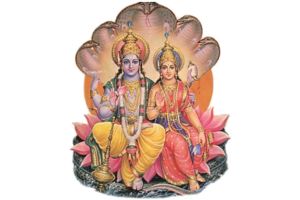
Brahma Dev & Saraswati Devi - The Creator

MahaDev & Parvati Devi - The Transformer

Perception
Tanmatras
- Ghranendriya (nose) senses the aroma - governed by the Earth; the Earth depends on the Water.
- Rasanendriya (tongue) senses the sweetness - governed by the Water; the Water is balanced by the Fire.
- Chakshurendriya (eyes) sense the brightness - governed by the Fire; the Fire is controlled by the Air.
- Sparshanendriya (skin) senses the warmth - governed by the Air; the movements of the Air are possible in the Sky.
- Shravenendriya (ears) sense the rhythm - governed by the Sky; the Sky & the Earth are companions.
Aham (Ego)
Explore Diverse Thoughts
eCommerce Networking
Explore eCommerce networking, where industry leaders share insights, strategies and innovations aimed at transforming Bharat’s GDP.
Bharatva Darshan
Discover Bharatva Darshan – a deep dive into social truths, emotional growth, and human connection through a cultural and philosophical lens.
Sacred Journey
Delve into the Sacred Journey that illuminates the path towards inner growth, mindfulness and connection to the divine.
